

What Defines a Gym With Top Tier Equipment?

Walk into most gyms at 6 p.m. and the problem is obvious within five minutes. The racks are taken, the cable stations are backed up, and half the floor is filled with equipment that looks impressive but does little for serious training. A gym with top tier equipment is not just a place with expensive machines. It is a place built for results, flow, and consistency.
That distinction matters more than most people think. Serious lifters, busy professionals, and disciplined recreational athletes do not need more noise or more square footage for the sake of marketing. They need reliable access to tools that make training effective, efficient, and repeatable. If the environment slows you down, your progress slows down with it.
A gym with top tier equipment is about more than price tags
Plenty of facilities advertise premium equipment, but the label gets abused. A few recognizable brands on the floor do not automatically create a better training experience. What matters is how the equipment supports real programming and whether members can actually use it when they need it.
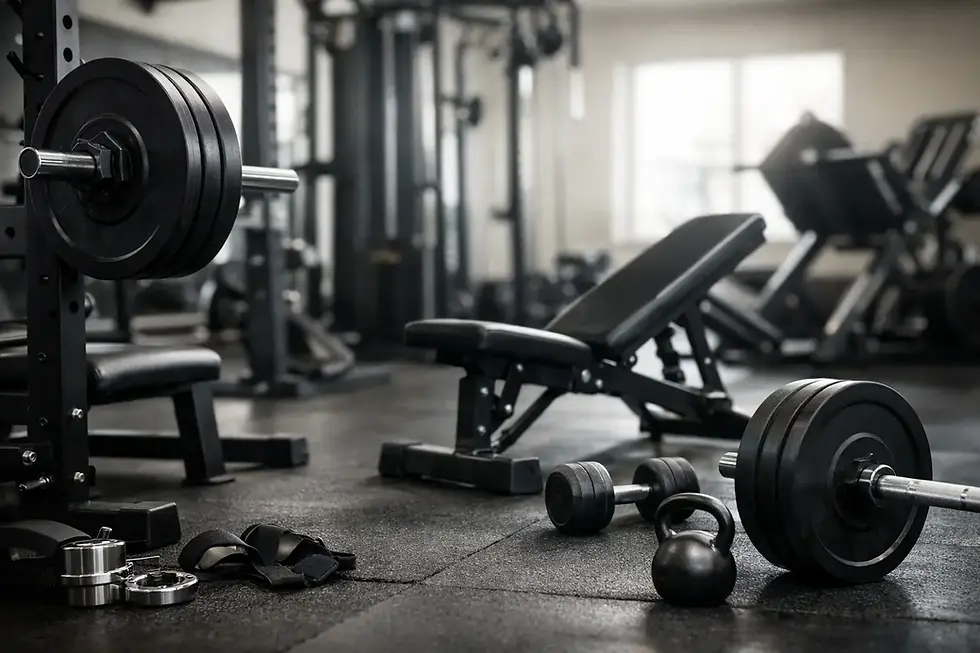
Top-tier equipment should first feel intentional. The strength pieces should cover the basics without gaps. That means quality racks, platforms, benches, dumbbells that go high enough, cable stations that move well under load, and machines that match human movement instead of forcing awkward mechanics. If a gym has a polished look but weak training utility, it is not top tier. It is cosmetic.
The second marker is consistency. Good equipment should work the same way every session. Benches should feel stable. Cables should run smoothly. Pins should line up correctly. Pads should hold their position. A machine that is technically premium but poorly maintained stops being premium very quickly.
Then there is layout. This gets overlooked, but it changes everything. If your session requires crossing a crowded floor, improvising around blocked stations, or waiting for one key piece every workout, the equipment package is incomplete no matter how expensive it was to install.
The best equipment solves training problems
A true gym with top tier equipment removes friction. It does not create more choices than you need. It gives you the right choices in the right categories.
For strength training, that usually means a strong free weight foundation paired with machines that let you train hard without beating up your joints unnecessarily. Barbells and racks matter. So do selectorized and plate-loaded machines that allow targeted work, controlled fatigue, and smart volume when your nervous system or schedule does not support another maximal barbell day.
This is where a lot of commercial gyms miss the mark. They either over-index on general fitness appeal or they chase trends. You end up with novelty pieces that photograph well but contribute very little to long-term progress. For someone who trains consistently, that is wasted space.
The right equipment also supports different training ages and physical histories. Not everyone should train the same way, even if they are equally committed. A facility built with some physical therapy-informed thinking behind it will usually make better equipment decisions because it understands the difference between hard training and reckless training. That does not mean soft. It means precise.
No waiting is part of the equipment standard
People often separate equipment quality from crowding. That is a mistake. If you cannot access the equipment you need, its quality barely matters.
This is one reason serious trainees leave big-box gyms even when the membership is cheap. The issue is not just inconvenience. It is broken training flow. Rest periods get extended. Supersets become impossible. Warm-ups get rushed because someone is standing next to your station waiting for a turn. Over time, that changes effort, consistency, and results.
A premium facility should protect your training time. That means enough key pieces, smart floor planning, and a member environment that does not turn every peak hour into a negotiation. For busy adults, this is not a luxury. It is the difference between fitting in a complete session and cutting corners.
If you train before work, after work, or on a tight lunch schedule, equipment access becomes a performance variable. The best gyms understand that. They do not just buy quality pieces. They create conditions where members can use them without chaos.
Top tier for one person may be wrong for another
There is some nuance here. The best equipment mix depends on the member a gym is built to serve.
If a facility is aimed at casual users, it may prioritize simple machine circuits and cardio rows. That is not inherently bad. It is just a different training model. But if you are trying to build strength, maintain muscle, improve performance, or train around a previous injury without wasting time, your standards should be higher.
In that case, top tier means versatility with purpose. You want options for bilateral and unilateral work, progressive overload, controlled accessory training, and efficient movement between stations. You also want equipment that fits different body types well. A machine can be expensive and still be poorly designed for actual users.
There is also the question of recovery and longevity. Some members want the hardest environment possible. Others want to train hard for years without the cycle of flare-ups, compensation patterns, and avoidable setbacks. Those are not conflicting goals. A well-equipped gym can support both, but only if the equipment selection is thoughtful.
How to spot a gym with top tier equipment before joining
You do not need a long tour to tell whether a facility takes training seriously. You just need to know what to notice.
Start with the basics. Are the racks solid? Are the dumbbells complete, organized, and heavy enough for progression? Do the benches feel stable? Are the cable stations smooth, or do they jerk under tension? These details tell you whether the facility was built for regular use or for first impressions.
Next, look at the machine selection. Is there a real lower-body training setup, or just generic cardio and light resistance pieces? Can you train every major movement pattern without improvising? A serious gym should make it easy to build a complete program.
Then pay attention to spacing. Can two people train near each other without interfering? Can you move through a session efficiently? If the answer is no during a walkthrough, it will be worse during peak hours.
Finally, watch the culture. Equipment quality is protected by standards. In a well-run facility, members re-rack, wipe down, and train with purpose. The room feels calm, not dead, but focused. That kind of atmosphere is usually a sign that the gym knows exactly who it is for.
Why the environment matters as much as the equipment
Even the best floor setup loses value in the wrong environment. If the gym is crowded, loud, and full of distractions, premium equipment cannot fully compensate for the drop in focus.
For serious members, training is not social hour. It is a scheduled investment in performance, health, and stress control. The environment should respect that. Fewer distractions. Less waiting. Better pace. More consistency.
That is one reason boutique facilities with a clear standard often outperform larger gyms for committed people. They are not trying to be everything to everyone. They are trying to serve people who care how they train and do not want their sessions dictated by random traffic on the floor.
In Scottsdale, that distinction matters for people balancing demanding schedules with real training goals. Convenience alone is not enough. If a gym saves ten minutes on the drive but costs you twenty minutes in waiting and workarounds, it is not efficient.
The real value is long-term progress
A gym with top tier equipment earns its value over months, not minutes. It helps you train hard when you want intensity and train intelligently when your body needs precision. It reduces wasted time. It lowers the odds of avoidable setbacks caused by bad setup or poor exercise options. It makes consistency more realistic.
That is the part many people miss when comparing memberships. They look at monthly cost without looking at training quality. Cheap access to an inefficient gym is still expensive if it leads to missed sessions, stalled progress, or another round of training around preventable irritation.
A better facility will not do the work for you. It will do something just as important. It will stop getting in your way.
That is the standard serious people should expect. Not hype. Not clutter. Not a showroom floor built for casual traffic. Just the right equipment, in the right setting, for people who are actually there to train. If that sounds selective, good. Your gym should match the level of commitment you bring through the door.


Comments