

Why Choose a Private Strength Training Gym

Walk into a packed commercial gym at 6 p.m. and the problem is obvious. Benches are taken, platforms are occupied, people are filming, and half your session gets spent waiting instead of training. A private strength training gym solves that by changing the environment, not just the equipment.
That distinction matters more than most people think. Serious training is not only about having access to weights. It is about being able to follow a plan without constant interruptions, adjust intelligently when your body gives feedback, and train in a space that supports progress instead of fighting it.
What a private strength training gym actually offers
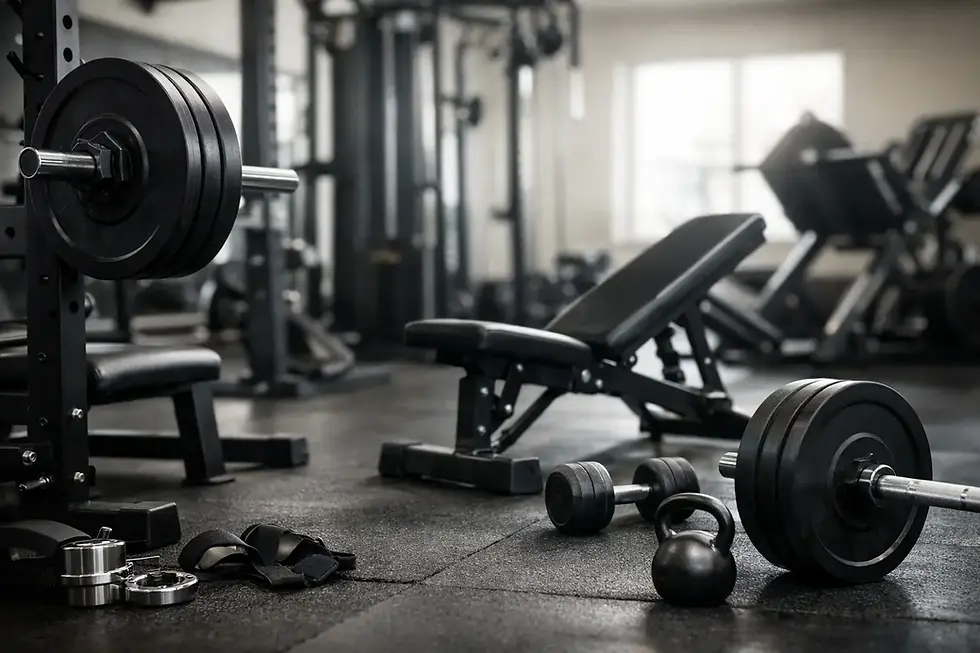
A private strength training gym is not just a smaller gym with fewer members. At its best, it is a controlled training environment built for people who take their workouts seriously. That means better access to equipment, more space to move, less noise, and a culture that favors consistency over spectacle.
For the right person, that changes everything. When you can walk in, get to work, and move through your session without waiting on a rack or improvising your whole workout around a crowd, training becomes more productive. The quality of your reps improves. Your pacing improves. Your adherence improves.
That last point gets overlooked. Most people do not fail because they lack motivation. They fail because the process becomes inefficient, frustrating, and hard to maintain. If every workout feels like a fight for floor space, consistency starts to slip.
The biggest advantage: uninterrupted training
Strength training responds well to precision. If your program calls for squat work, then squat work should happen. Not leg press because the rack is taken. Not random substitutions because the gym is too crowded to execute the plan.
In a private setting, you are far more likely to train as intended. That matters whether your goal is building strength, improving body composition, returning from an old injury, or staying athletic as you get older. Better execution over time produces better results than chasing intensity in a chaotic room.
There is also a mental side to this. Many experienced lifters do not need more hype. They need fewer distractions. A calmer space makes it easier to focus on load, technique, rest periods, and progression. Instead of spending energy navigating the room, you spend it where it belongs - on the work.
Why privacy is not just about comfort
Some people hear the word private and assume it is a luxury feature. Sometimes it is. But often it is a performance feature.
Privacy creates room for intent. You can train hard without feeling like you are performing for other people. You can move through warm-ups, accessory work, and recovery work without fighting for a corner of the floor. You can pay attention to mechanics instead of the social atmosphere around you.
That is especially valuable for people rebuilding capacity after setbacks. If you have dealt with back pain, shoulder irritation, knee issues, or repeated training interruptions, the right environment matters. A crowded gym pushes people toward rushed decisions and sloppy substitutions. A private one gives you a better chance to stay disciplined.
A smarter gym setup beats a bigger gym floor
Commercial gyms often win on size. They do not always win on design.
A serious private strength training gym is usually built around how people actually train. The layout tends to make sense. The equipment selection is more intentional. Instead of endless cardio rows and machines that rarely get used well, you are more likely to find the tools that support real strength work and efficient sessions.
This does not mean every private gym is automatically better. Some are small but under-equipped. Others lean so far into exclusivity that they become more about image than outcomes. That is the trade-off. Private only works if the facility is designed for actual training, not just lower traffic.
The difference is in the standard. If the space attracts committed members, maintains high-quality equipment, and keeps the training floor organized, the smaller footprint becomes an advantage rather than a limitation.
The role of coaching philosophy
The best gyms are not defined only by what is on the floor. They are defined by the thinking behind the floor.
This is where a physical therapy-informed training model stands out. Strength training should challenge you, but it should also account for movement quality, recovery capacity, and injury risk. That does not mean training timidly. It means training with judgment.
For adults who want long-term progress, this matters. You can push hard and still be smart. You can build strength while respecting old limitations. You can improve performance without pretending pain is a badge of honor.
A gym built on that philosophy tends to attract a certain kind of member. Not casual traffic. Not people there to kill time. People who want to train consistently, stay healthy enough to keep training, and avoid the cycle of progress followed by setback.
Who a private strength training gym is for
This kind of gym is not for everyone. That is not marketing language. It is reality.
If you train once in a while, choose workouts on impulse, or mainly want the cheapest monthly option, a private facility may not make sense. Premium training environments cost more because they offer more control, more access, and a better overall experience.
But for busy professionals, disciplined lifters, and people who schedule training as a non-negotiable part of the week, the value is easier to see. Time matters. Focus matters. Reliable access matters.
If your workouts need to happen early in the morning, late at night, or on a tight schedule, a crowded gym creates friction. A well-run 24/7 facility removes it. That is not a small benefit. It is often the difference between staying consistent and constantly missing sessions.
What to look for before joining
Not every private gym deserves the label. Before committing, pay attention to the details that affect your actual training life.
Start with access. If a gym claims convenience but still limits when or how you can train, that is a problem. The next issue is equipment flow. You should be able to complete a serious strength session without compromising the plan.
Then look at culture. Is the environment built for focused training, or is it just a smaller version of the same distractions found in large clubs? Privacy only helps if the space is calm, respectful, and consistent.
Finally, consider whether there is real expertise behind the model. A gym informed by physical therapy principles and sound programming decisions offers more than atmosphere. It offers a better framework for staying in the game.
Why serious lifters are leaving commercial gyms
For many people, the breaking point is not dramatic. It is cumulative.
One day it is waiting for a platform. Another day it is changing the entire session because the equipment you need is occupied. Then it is the noise, the clutter, the lack of space, or the sense that nobody in the room respects training time.
Eventually, the question becomes simple. If fitness is a priority, why keep training in a place that makes it harder?
That is why more experienced members are moving toward boutique and private models. They are not paying for flash. They are paying to remove obstacles. They want a gym where the workout gets done the right way, on schedule, without chaos.
In Scottsdale, that shift makes particular sense for people balancing demanding work, family life, and serious training goals. They do not need more options. They need a better environment.
The real value is consistency
Results rarely come from one perfect phase of training. They come from months and years of solid work repeated without unnecessary interruption.
That is the strongest case for a private strength training gym. It gives you a setting where consistency is easier to maintain. Less waiting. Less noise. Fewer compromises. More room to train with intent.
For the right member, that is worth more than a long list of amenities they will never use. Kinetic Fitness is built around that standard - serious training, smarter structure, and an environment that respects your time.
If you care about progress, the best gym is not the loudest or the biggest. It is the one that lets you show up, train well, and keep doing it week after week.


Comments