
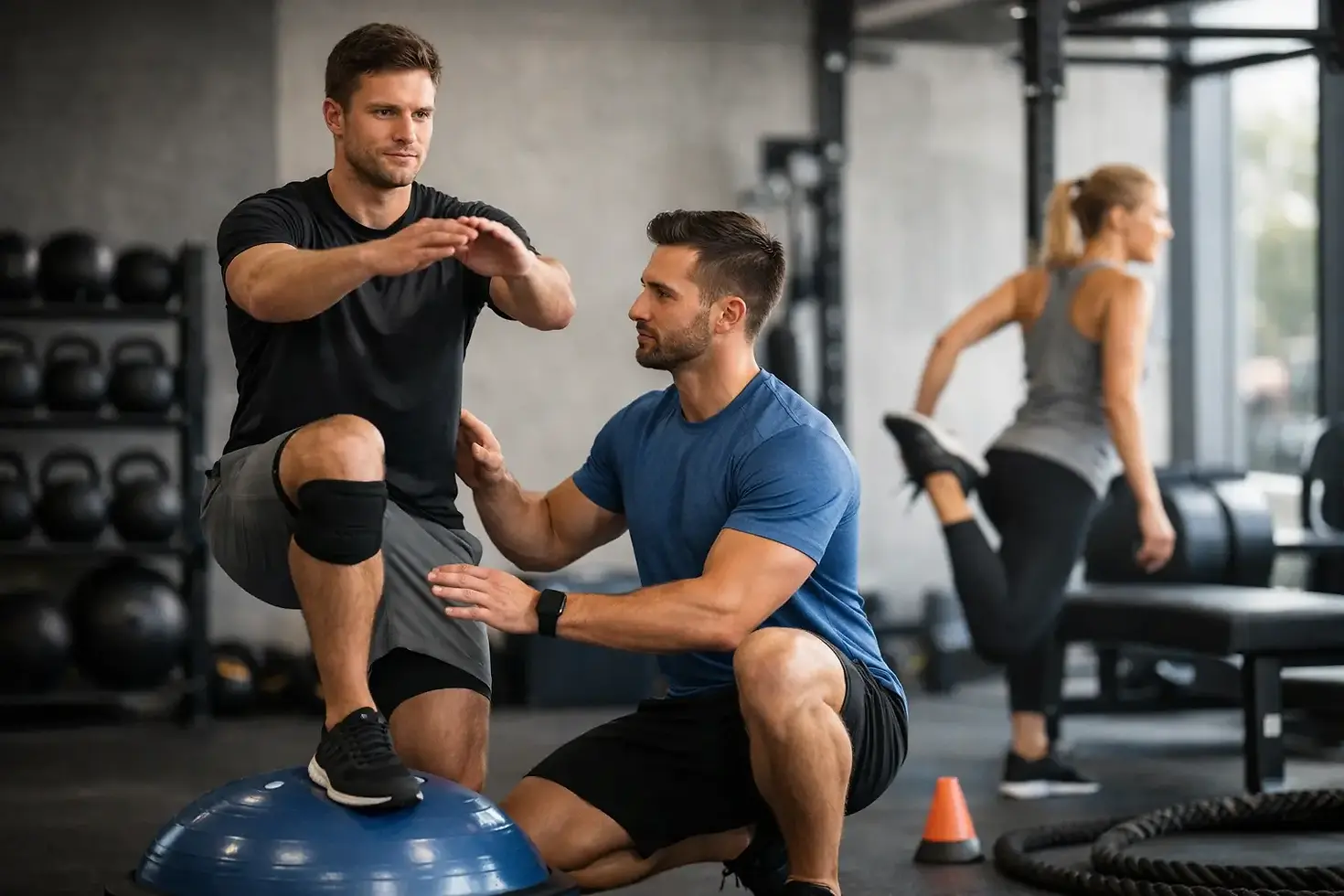
Why a Gym for Injury Prevention Matters

Most injuries in the gym do not come from one dramatic moment. They build quietly - rushed warm-ups, sloppy volume, poor exercise selection, and a training environment that pushes speed over control. A real gym for injury prevention is built to stop that pattern before it starts.
That matters if you train consistently. Missed weeks cost strength, momentum, and confidence. For serious lifters, busy professionals, and anyone who depends on training to stay sharp, injury prevention is not a bonus feature. It is part of the job.
What makes a gym for injury prevention different
Most commercial gyms sell access. They pack in equipment, members, noise, and distractions, then leave you to figure out the rest. If your shoulder starts barking, your low back tightens up, or your knees feel worse every month, that is your problem.
A gym for injury prevention takes a different approach. The environment, equipment, and training philosophy are designed to lower unnecessary risk while still helping you improve performance. That does not mean soft training. It means intelligent training.
The difference usually shows up in the details. You need enough space to move well, not just squeeze between machines. You need equipment that lets you adjust load, angles, and range of motion without forcing your body into bad positions. You need programming that respects tissue capacity, fatigue, and recovery instead of treating every session like a test.
And most of all, you need a system that values longevity. If a gym treats pain as normal and burnout as commitment, it is not built for long-term progress.
Injury prevention starts before pain shows up
A lot of people wait too long to change how they train. They keep pushing through shoulder irritation, hip pinching, or a back that feels "off" until it becomes a real limitation. At that point, training turns reactive.
A better model is preventive. You look at movement quality, exercise tolerance, recovery, and workload before a small issue becomes a forced layoff. That is where a physical therapy-informed training environment has a real advantage. It bridges the gap between rehab thinking and performance training.
This matters because injury risk is rarely about one exercise being good or bad. It is usually about dosage, timing, and fit. Deadlifts are not dangerous by default. Neither are presses, squats, or running. Problems start when the movement does not match the person, the progression is rushed, or fatigue strips away control.
Good training recognizes that your body keeps score. If your job is stressful, your sleep is poor, and your last few sessions were hard, your program should reflect that. Pushing blindly is not discipline. Adjusting intelligently is.
The role of equipment in reducing injury risk
Equipment quality is not just about appearance. It changes how well you can train around limitations, build capacity, and keep progress moving.
For example, a well-designed leg press, cable system, or chest-supported row can let someone load tissue without the joint stress that comes with a poorly chosen barbell variation. Specialty bars can reduce strain on wrists, shoulders, or elbows. Adjustable benches and machines can help you find positions that fit your structure instead of forcing compensation.
That does not mean machines are always better than free weights. It depends on the goal and the athlete. Free weights build coordination and force production in ways machines cannot fully replicate. Machines can create stability and precision when fatigue is high or a joint is irritated. The best gym for injury prevention gives you both and knows why each one matters.
That balance is where many facilities fall short. Either everything is treated like rehab, which limits progress, or everything is treated like powerlifting prep, which ignores individual needs. Neither extreme serves most committed adults who want to train hard for years.
Why the environment matters more than people think
Crowded gyms create bad decisions. You rush your setup because someone is waiting. You skip a warm-up because there is no room. You choose the wrong exercise because the right station is taken. You cut rest periods short. You lose focus.
Those are not small issues. They change load management, movement quality, and fatigue. Over time, that raises risk.
A quieter, better-managed environment supports better training habits. You can take the time to set up correctly. You can move with intent. You can keep your session structured instead of reactive. For people who train before work, late at night, or on a tight schedule, this is not about comfort. It is about consistency.
That is one reason serious members often do better in a private, uncrowded facility. Less chaos means fewer compromises. Fewer compromises mean fewer setbacks.
Programming is where injury prevention actually lives
If there is one place where a gym earns the phrase gym for injury prevention, it is programming.
Injury prevention is not a band routine at the end of a workout. It is the full structure of training. Exercise selection matters. Order matters. Weekly volume matters. Recovery between hard sessions matters. So does knowing when to progress, when to hold steady, and when to back off.
The strongest programs build capacity without wasting stress. They train the major patterns, respect individual limitations, and avoid the trap of maxing out intensity all the time. They also leave room for variation. If a straight bar back squat beats someone up, that does not mean leg training stops. It means you choose a better path.
That could mean using a safety bar, a hack squat, split squats, or a different loading strategy. The goal is not attachment to one exercise. The goal is progress you can repeat.
This is where many motivated people get themselves in trouble. They are disciplined enough to show up, but not selective enough about what they repeat. Consistency only works if the plan deserves to be repeated.
Recovery is not separate from training
A recovery-centered gym is not trying to make training easier. It is trying to make it sustainable.
Recovery includes the obvious basics like sleep, hydration, and nutrition, but in the gym setting it also means managing session density, exercise rotation, and tissue stress. If every workout leaves your joints feeling worse, your system is broken, no matter how hard you work.
This is why the best facilities think beyond the workout itself. They pay attention to how members recover between sessions, not just how they perform during one. The right setup helps you train at a high level more often because it reduces the wear that comes from poor decisions and poor structure.
That is especially valuable for adults with demanding schedules. If your training has to fit around work, family, travel, and limited time, you cannot afford constant setbacks. You need a model that protects your ability to keep showing up.
Who should look for this kind of gym
Not everyone needs a specialized environment. Some people are fine in a standard gym if they have excellent coaching, a clear plan, and enough training experience to avoid common mistakes.
But if you deal with recurring aches, have a history of lifting-related injuries, or feel like your progress always gets interrupted by something flaring up, your environment may be part of the problem. The same goes for anyone who is serious about training and tired of adapting every session to crowds, noise, and equipment limitations.
A facility built with a physical therapy-informed philosophy can be especially useful for people who are no longer willing to choose between training hard and training smart. In Scottsdale, that is exactly why some members seek out Kinetic Fitness. They want serious equipment, real access, and a setup that respects longevity.
What to look for before you join
Do not get distracted by branding, mirrors, or a long amenities list. Ask better questions.
How crowded does it get during peak hours? Is the equipment selection broad enough to modify around pain points? Does the training philosophy account for movement quality, progression, and recovery, or is it just access with better lighting? Is there actual expertise behind the system, or just generic fitness language?
You are not looking for a place that promises zero injuries. No honest gym can do that. Training always carries some risk. You are looking for a place that reduces preventable mistakes and gives you better odds of staying healthy while getting stronger.
That is the standard. Not hype. Not trends. Not random intensity.
The right gym should make hard training more repeatable. If it does that, it is doing more than helping you work out. It is protecting your ability to keep building for the long run.



Comments